Underbrush Clearing in Salt Lake City, UT
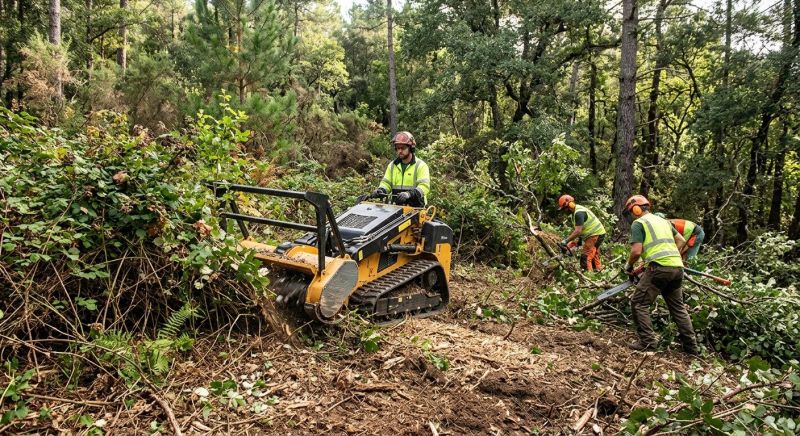
Underbrush clearing services involve removing dense, overgrown vegetation, including shrubs, small trees, and thick undergrowth that can accumulate on residential properties. This work is often requested for projects such as preparing land for new landscaping, maintaining open sightlines around homes, or reducing fire hazards. Property owners typically want to understand the scope of clearing needed, including the types of vegetation involved, and any potential impact on existing trees or landscape features before requesting services.
Homeowners considering underbrush clearing should assess their property's current condition and identify specific areas where overgrowth is problematic. Clarifying their goals-whether for aesthetic improvement, safety, or property access-can help determine the extent of clearing required. Understanding the property's layout and any local regulations related to vegetation removal can also facilitate a smoother process when planning for this type of service.
Many property owners in Salt Lake City, UT look into Underbrush Clearing for repairs, replacements, upgrades, and appearance-related improvements.
Clearing Overgrown Areas
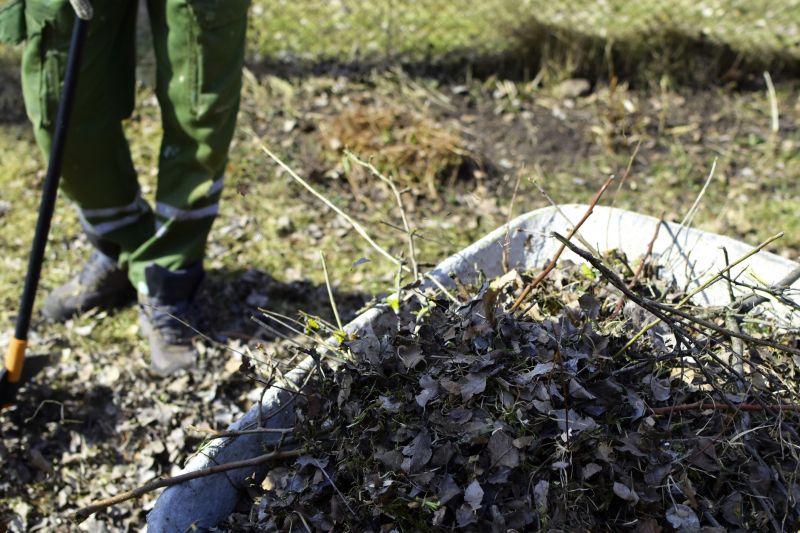
Removing dense underbrush helps improve safety and accessibility on residential properties.
Preparing Land For Landscaping
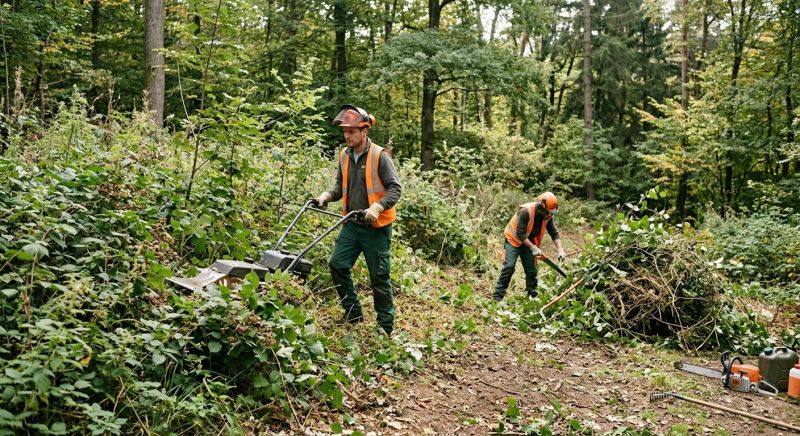
Underbrush clearing creates a clean slate for new gardens, lawns, or outdoor features.
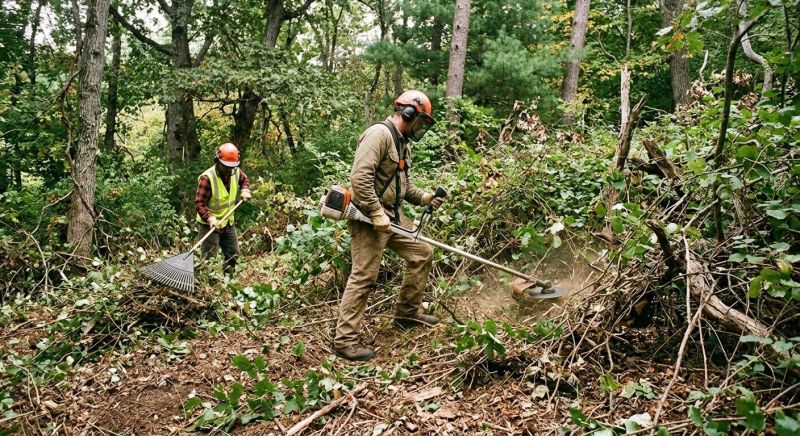
Fire Prevention And Safety
Reducing underbrush minimizes fire hazards in wooded and brush-heavy areas around salt lake city properties.
Underbrush Clearing in Salt Lake City, UT
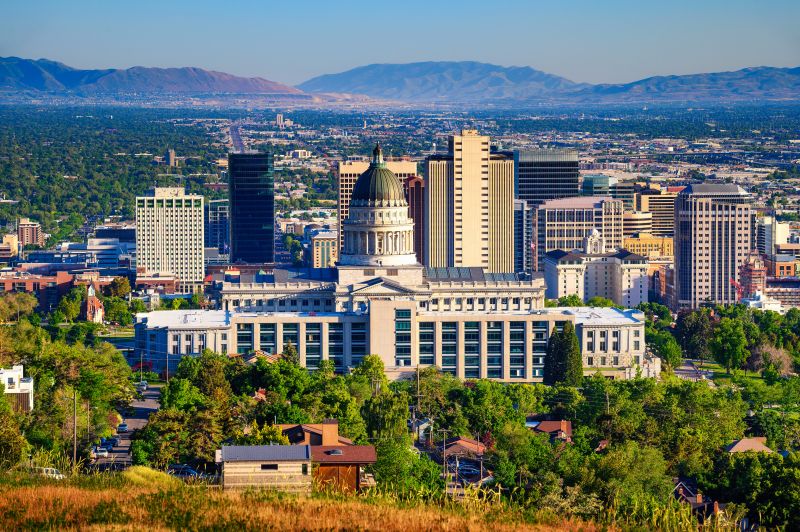
Underbrush clearing services involve removing dense, overgrown vegetation, including shrubs, small trees, and thick undergrowth that can accumulate on residential properties. This work is often requested for projects such as preparing land for new landscaping, maintaining open sightlines around homes, or reducing fire hazards. Property owners typically want to understand the scope of clearing needed, including the types of vegetation involved, and any potential impact on existing trees or landscape features before requesting services.
Homeowners considering underbrush clearing should assess their property's current condition and identify specific areas where overgrowth is problematic. Clarifying their goals-whether for aesthetic improvement, safety, or property access-can help determine the extent of clearing required. Understanding the property's layout and any local regulations related to vegetation removal can also facilitate a smoother process when planning for this type of service.
Many property owners in Salt Lake City, UT look into Underbrush Clearing for repairs, replacements, upgrades, and appearance-related improvements.
Common Underbrush Clearing Jobs
Overgrown Brush Removal - clearing dense brush to improve property visibility and access.
Wildfire Prevention - reducing fire hazards by removing combustible undergrowth.
Trail and Path Clearing - creating safe, accessible walkways through wooded areas.
Fence Line Clearing - maintaining clear boundaries and preventing overgrowth on property edges.
Yard Renovation - preparing land for landscaping or new construction projects.
Invasive Plant Removal - eliminating unwanted plants to promote healthier native growth.
Underbrush Clearing Questions
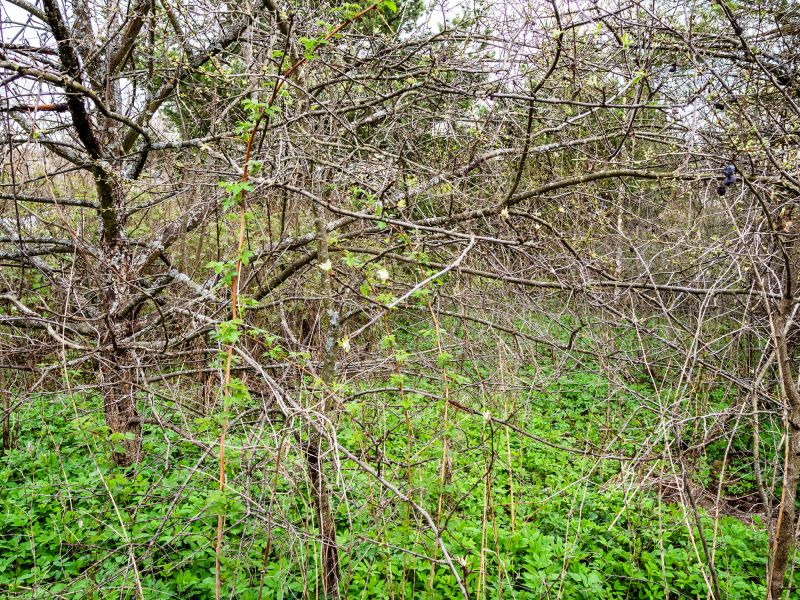
What is underbrush clearing? Underbrush clearing involves removing shrubs, small trees, and dense vegetation to improve visibility and accessibility on a property.
When is underbrush clearing recommended? It is typically needed when overgrown areas become difficult to access, pose fire hazards, or hinder landscaping and property maintenance.
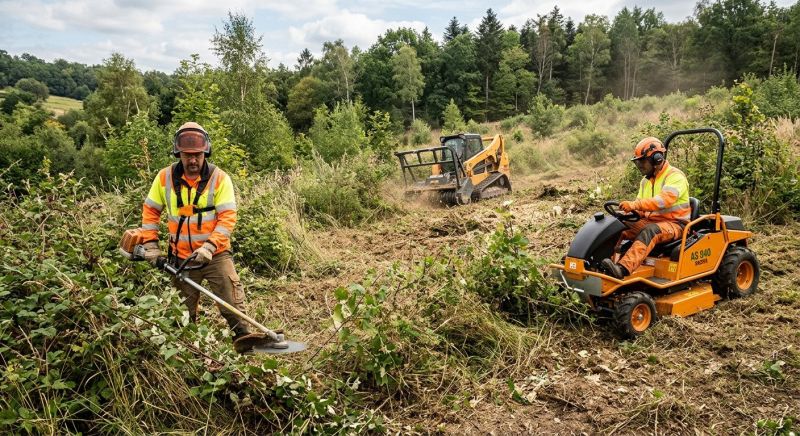
What tools are used for underbrush clearing? Equipment such as brush cutters, chainsaws, and pruning tools are commonly used to efficiently remove dense vegetation.
Does underbrush clearing require any permits? Permit requirements vary by location; it is advisable to check local regulations before starting clearing projects.
Request Underbrush Clearing in Salt Lake City, UT
Use the quote form on this page to share the basics of your project and request more information for the type of work you need.